Nova Scotia
Highlights
Highlights
- Migrating shorebird flocks amid the Bay of Fundy’s dramatic tides
- A pelagic excursion for shearwaters, puffins, phalaropes and whales
- Fall songbird migration on Brier Island
- Coastal birding around Cape Sable Island
- Beautiful Atlantic scenery and visits to historic Lunenburg and Peggy’s Cove
Map
Map
Overview
Tour Overview
Autumn produces some fantastic birding in Nova Scotia. Strategically located along the Atlantic Flyway, one of the major bird migration routes in North America, the province’s southern shores provide stopover habitat for migrating warblers, shorebirds and raptors as they make their way south.
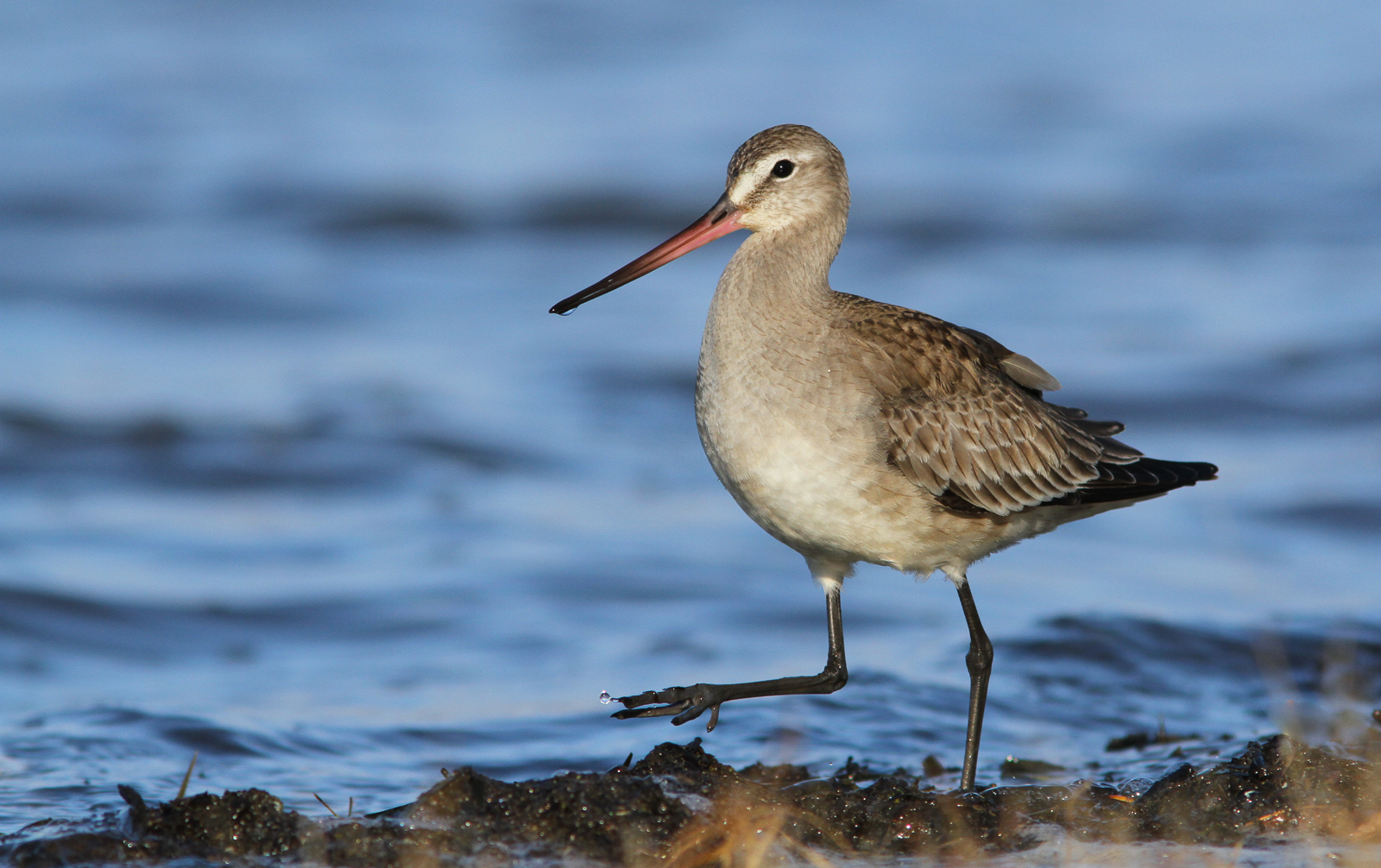
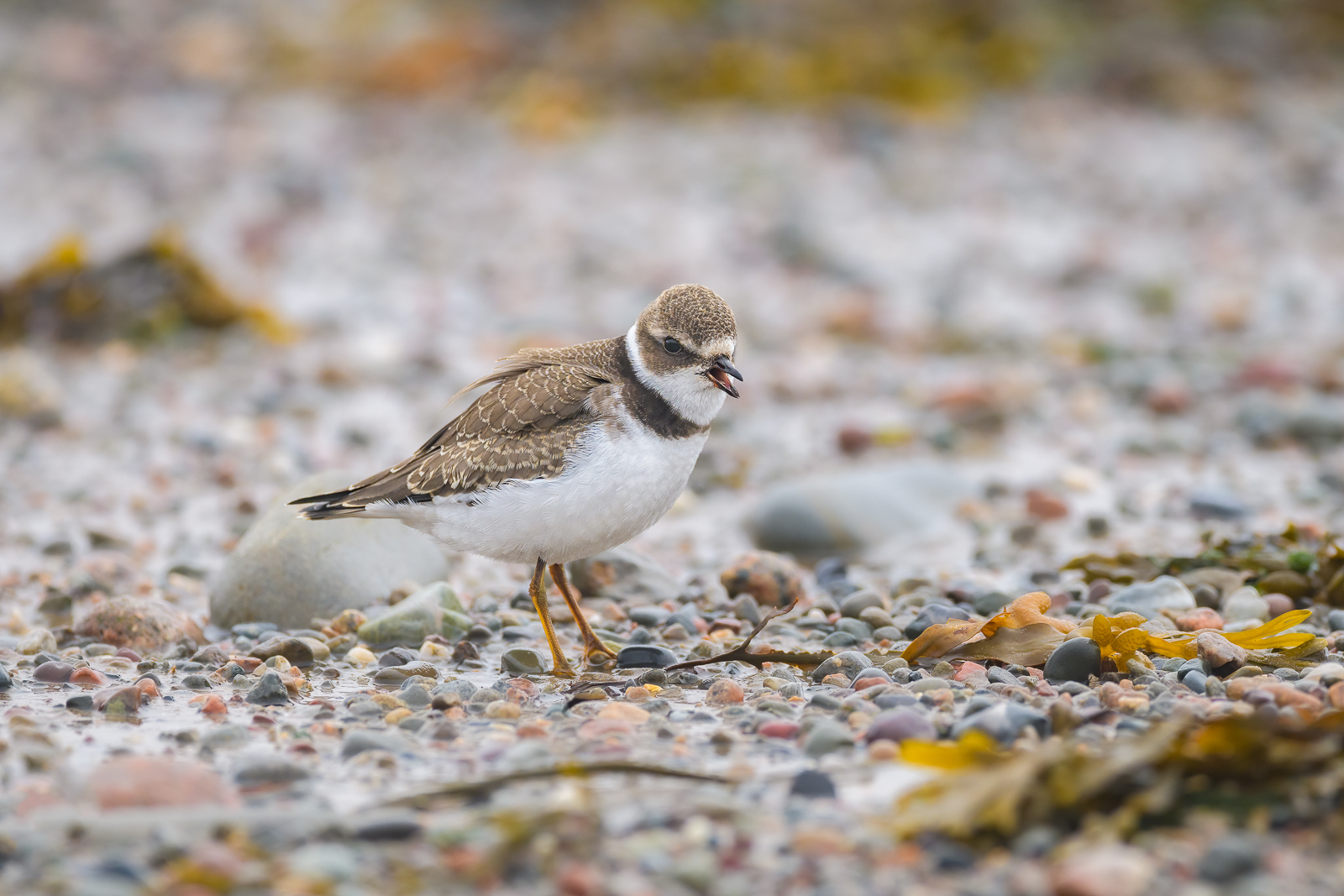
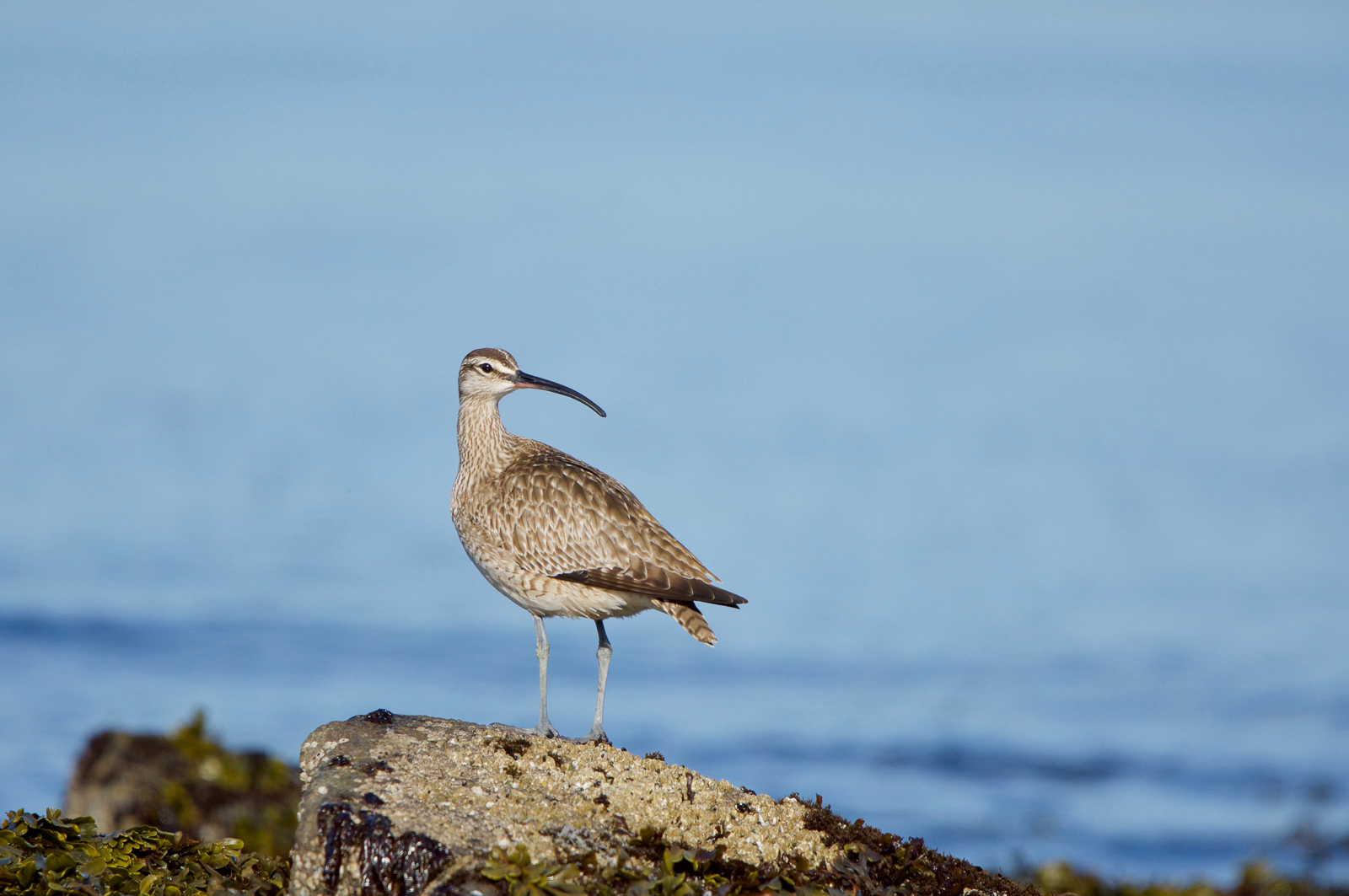
Nova Scotia also boasts a variety of habitats, including coastal areas, marshes, forests and islands, adding to the diversity of birds we may encounter. Shorebirding here is productive and could include such choice species as godwits, Hudsonian Whimbrel, and White-rumped and Stilt Sandpipers. Forests and wooded headlands offer opportunities to look for migrating warblers, vireos and other songbirds.
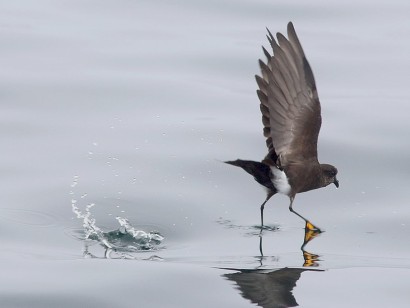
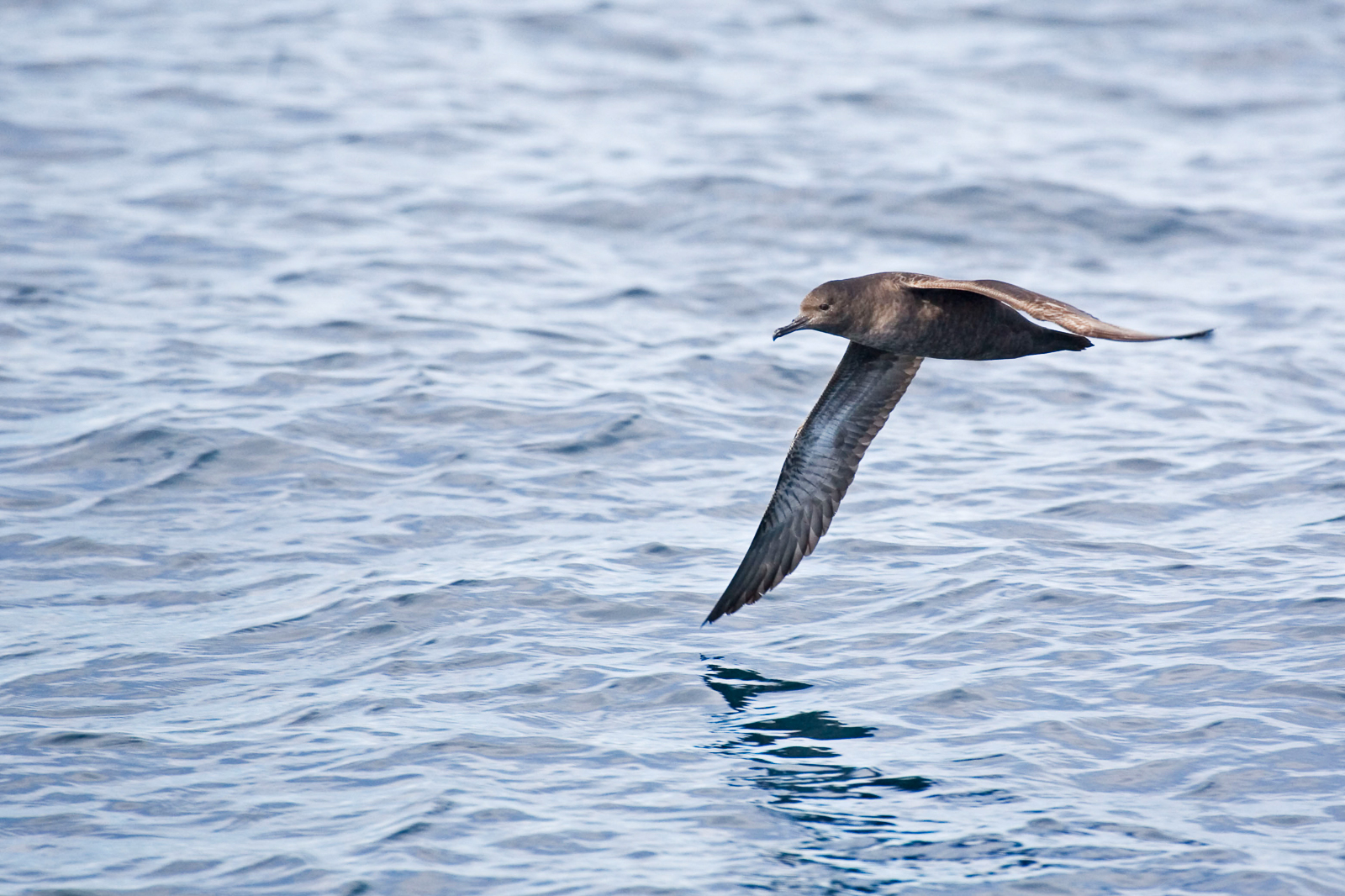
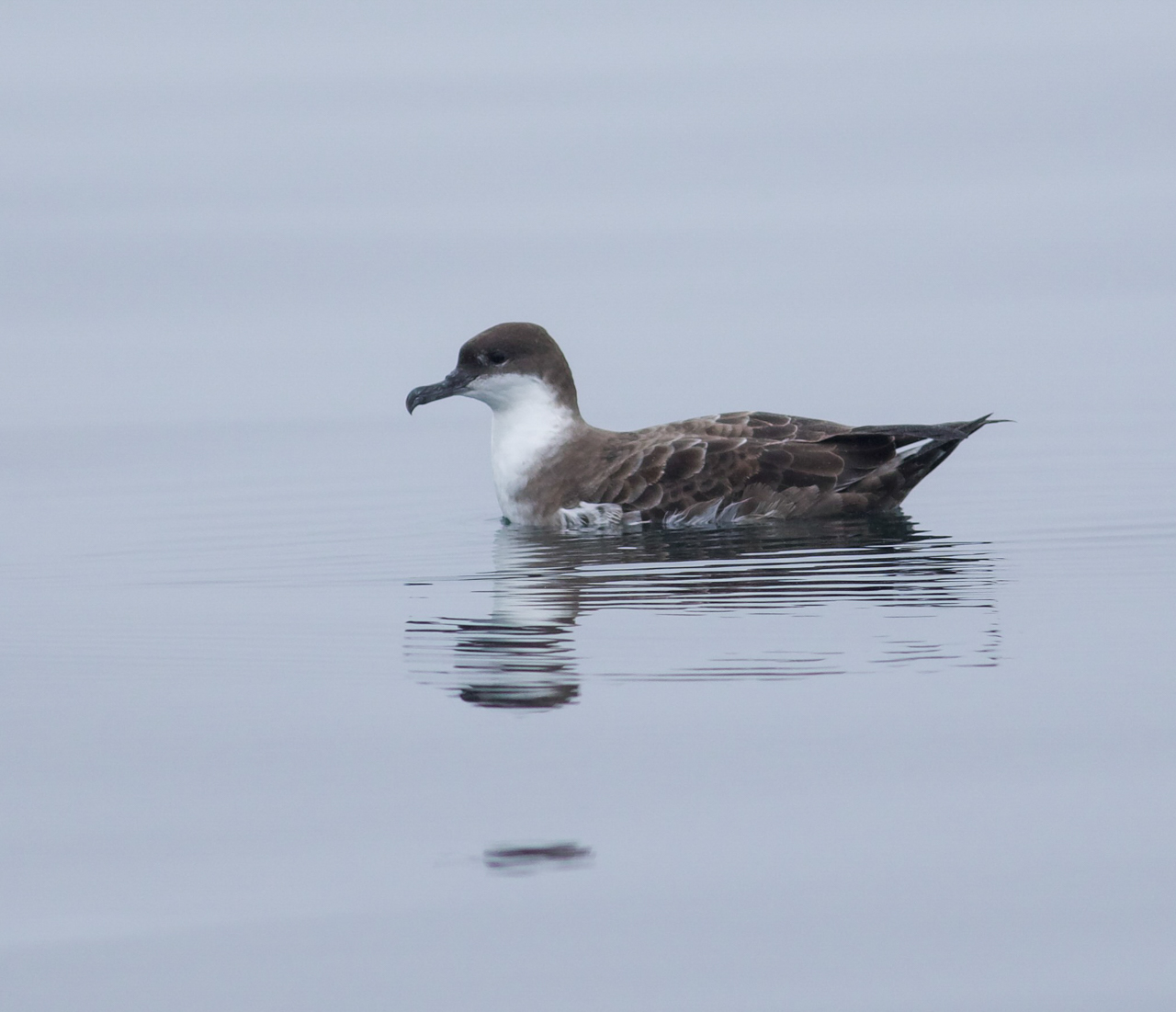
In addition, we will take a boat tour to look for an array of pelagic species, from shearwaters, puffins and kittiwakes to jaegers and phalaropes. There is always the possibility of a rarer species showing up—and then, of course, there are the great whales!
Dates & Prices
Dates & Prices
What's Included
Tour Price Includes
- Good quality accommodation
- Pelagic boat trip
- Ferry to Brier Island
- Includes all meals and soft drinks
- 4 - 8 Participants will be guided by one guide. 9 - 12 participants will be guided by two guides in two vehicles.
- Gratuities to local guides
- All park, conservation and entrance fees
Tour Price Does Not Include
- Flights to and from Halifax
- Travel Insurance
- Items of a personal nature
- Taxes (14% HST)
- Alcoholic beverages
Gallery
Gallery



Itinerary
Itinerary
Day 1: Arrival and Orientation
Our Nova Scotia birding tour begins in the evening when we meet at our hotel for introductions and dinner. Those wishing to explore Halifax before the tour should note that the city is approximately 30 minutes from the airport.
Night near the Halifax airport.

Day 2 & 3: Wolfville and the Annapolis Valley
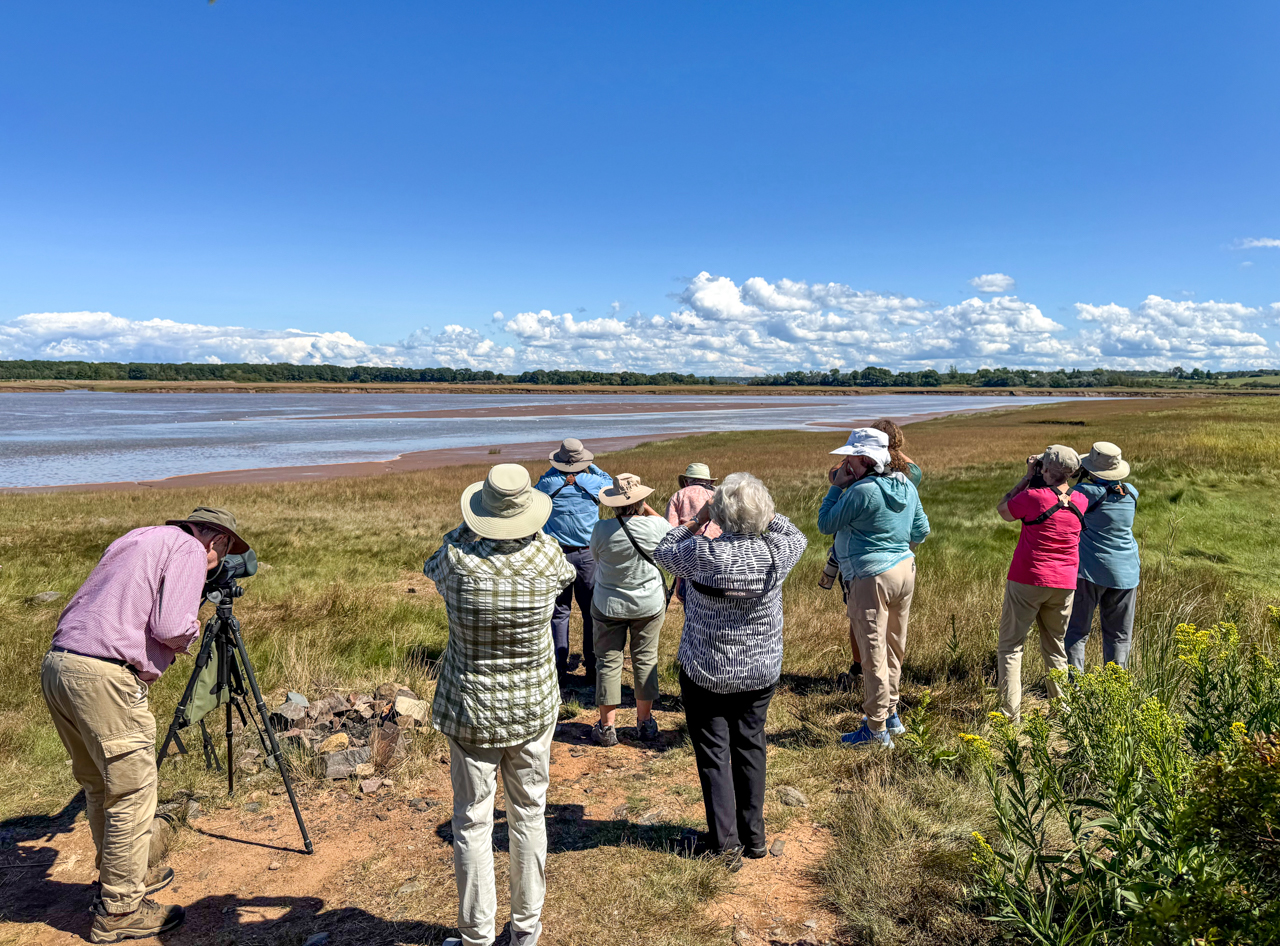
We leave Halifax and travel into the Annapolis Valley, where a variety of habitats offers opportunities for waterfowl, migrating songbirds and shorebirds. Around Wolfville and Grand Pré, we explore wetlands, farmland and the shores of the Minas Basin, an offshoot of the Bay of Fundy.
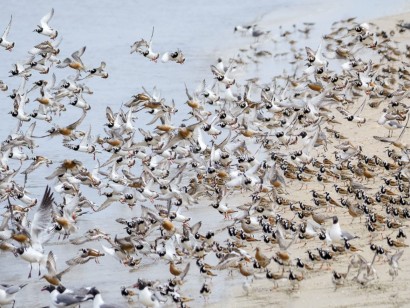
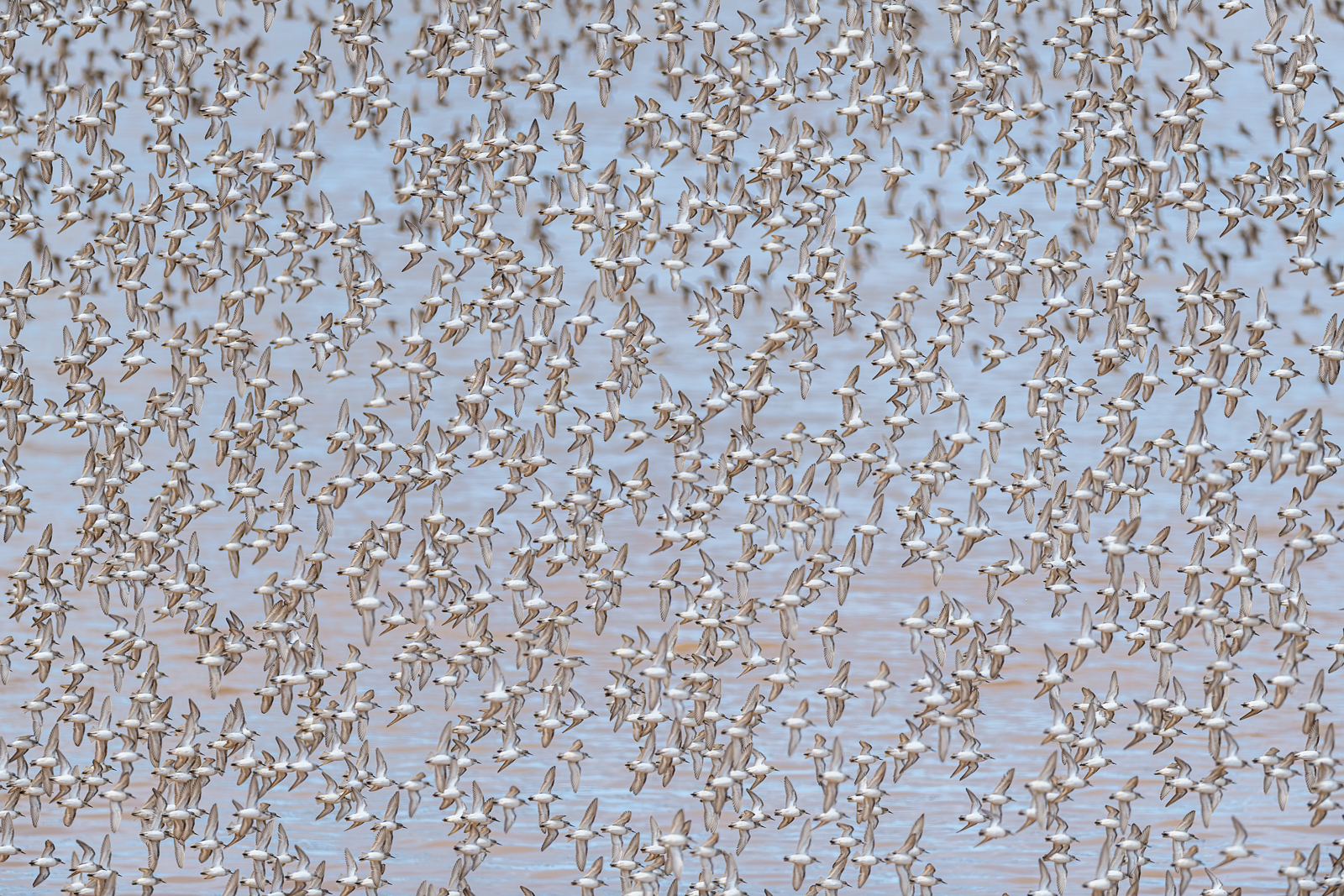
Miner’s Marsh offers productive birding for ducks and songbirds, while the Guzzle and nearby beaches can hold large concentrations of migrating shorebirds. We time our visits around the tides, looking for feeding flocks on the exposed mudflats or roosting sandpipers gathered along the shoreline. Semipalmated, Least and White-rumped Sandpipers are among the birds we look for, along with Red Knot. Peregrine Falcons may put the flocks into swirling flight.
We also explore the Blomidon area, where wooded slopes can attract migrating warblers, vireos and other songbirds. Possibilities include Chestnut-sided and Blackburnian Warblers, Ovenbird, and Blue-headed and Red-eyed Vireos. We keep an eye overhead for migrating raptors, including Broad-winged Hawk.
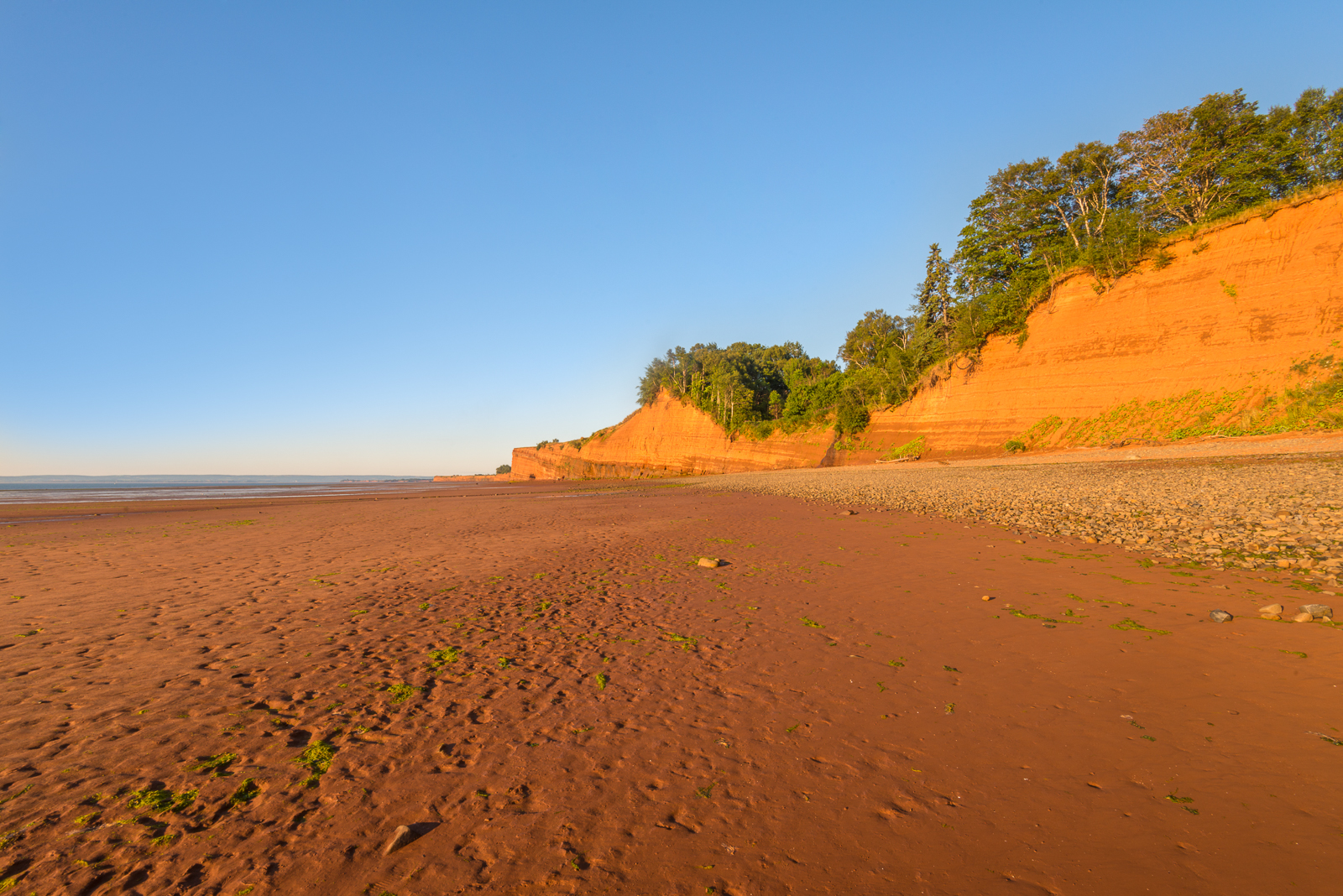
Coastal viewpoints offer views of the Bay of Fundy, its dramatic tides and red sandstone cliffs. Depending on conditions and bird activity, we may visit additional wetlands or coastal sites in the area.
Nights in the Wolfville area.
Days 4 - 6: Brier Island
We continue down the Annapolis Valley towards Brier Island, stopping for wetland birding around Annapolis Royal. Belleisle Marsh and the French Basin Trail offer opportunities to look for Wood Duck, Blue-winged Teal, Gadwall and other wetland birds. Mixed songbird flocks may include Northern Parula, Canada Warbler and Philadelphia Vireo.
From here, we travel along Digby Neck and take two short ferries to reach Brier Island. Situated at the entrance to the Bay of Fundy, the island offers varied birding during fall migration. We explore its lighthouse headlands, wooded roads, wetlands and beaches, adjusting our outings to the weather and bird activity.
When winds are favourable, we may head to Northern Light before breakfast to watch birds moving past the island at dawn. Northern Flickers, Eastern Kingbirds, warblers and vireos may be accompanied by migrating hawks and falcons. At other times, we search sheltered areas for resting and feeding songbirds, including Magnolia and Cape May Warblers, American Redstart and Northern Waterthrush. Around the rocky shores, we watch for Common Eiders and Black Guillemots.
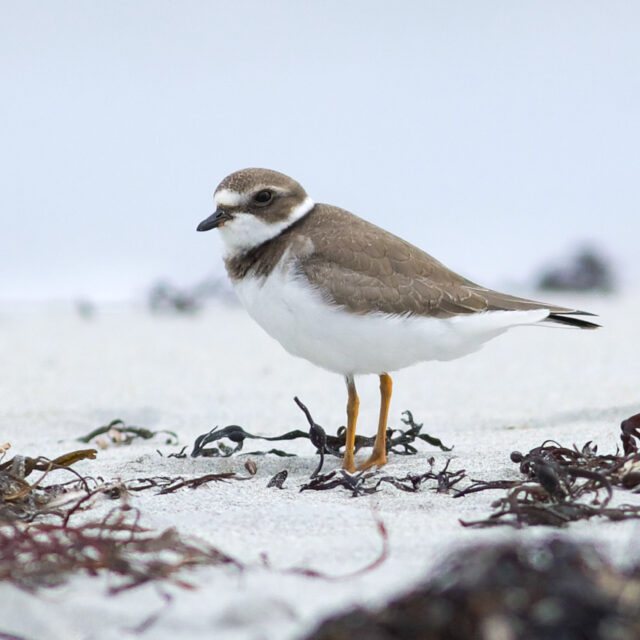
Pond Cove offers opportunities to study migrating shorebirds. Alongside the more familiar sandpipers and plovers, we may find Baird’s or Buff-breasted Sandpipers.
If the bird-banding station is operating and visits are available, we may have an opportunity to watch a banding demonstration and learn more about migrating songbirds.
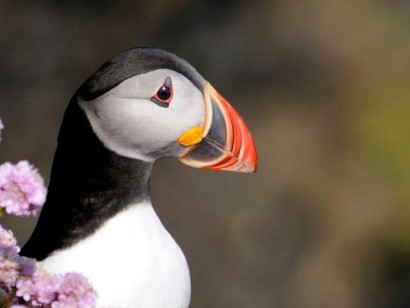
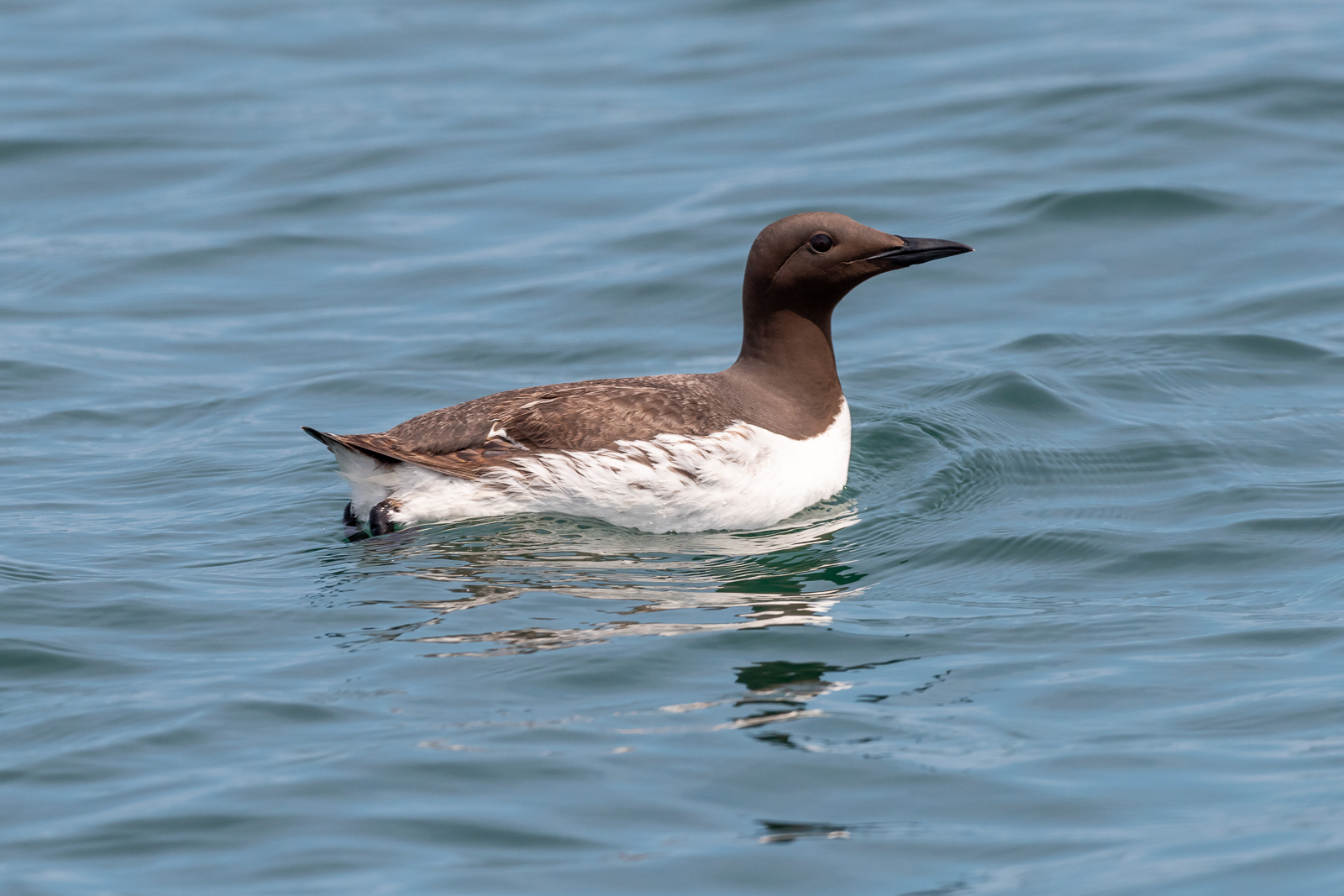
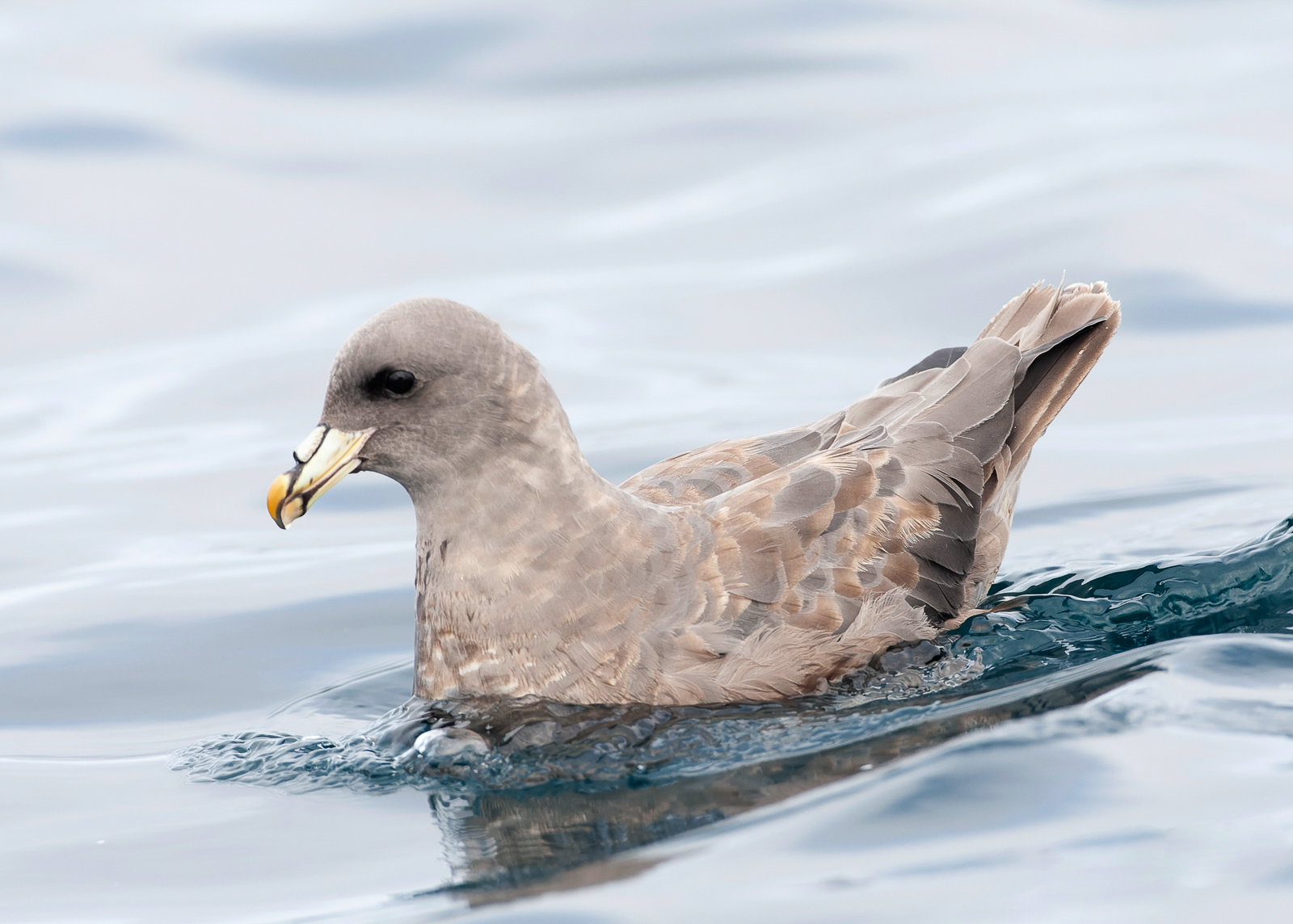
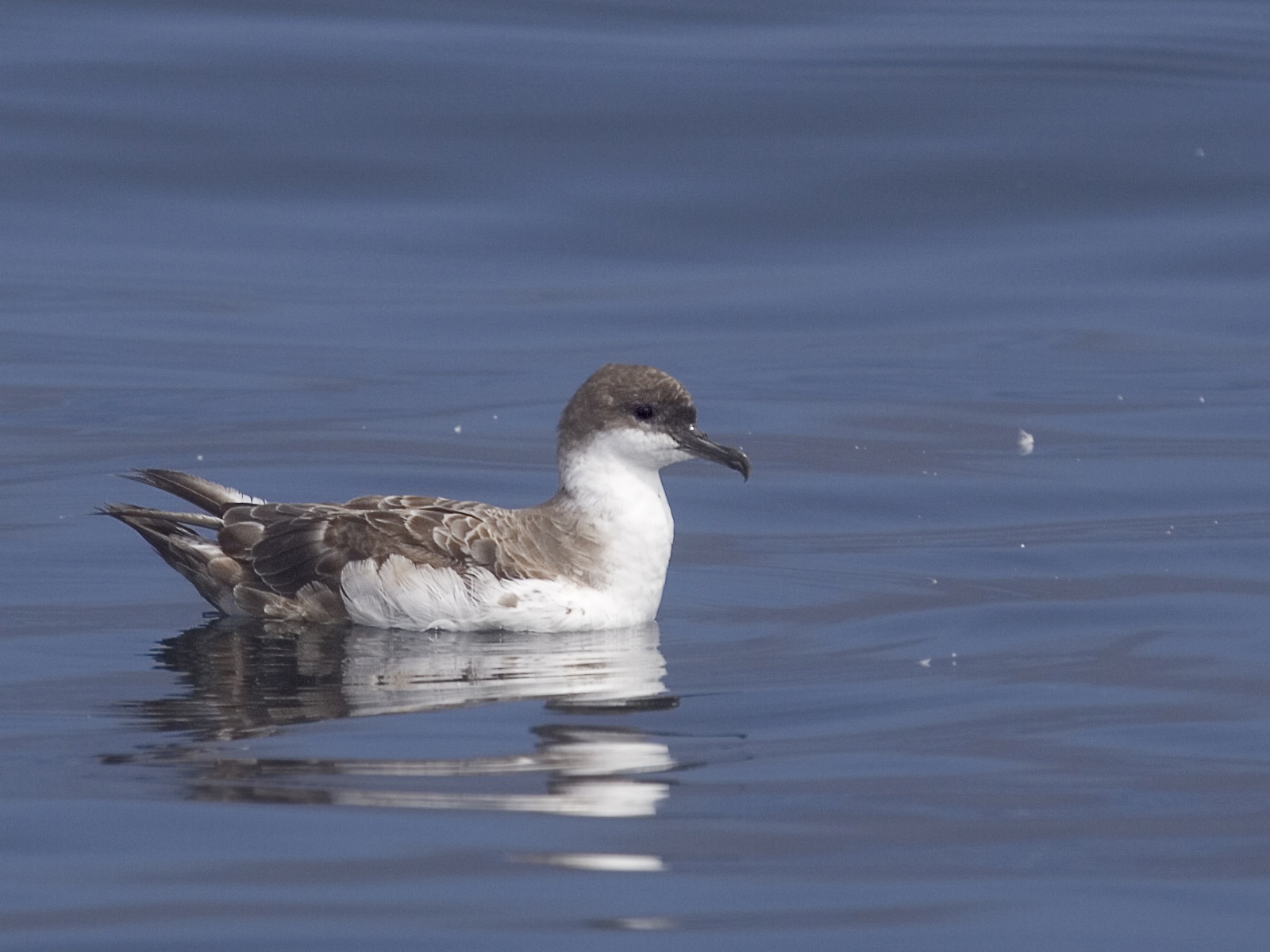
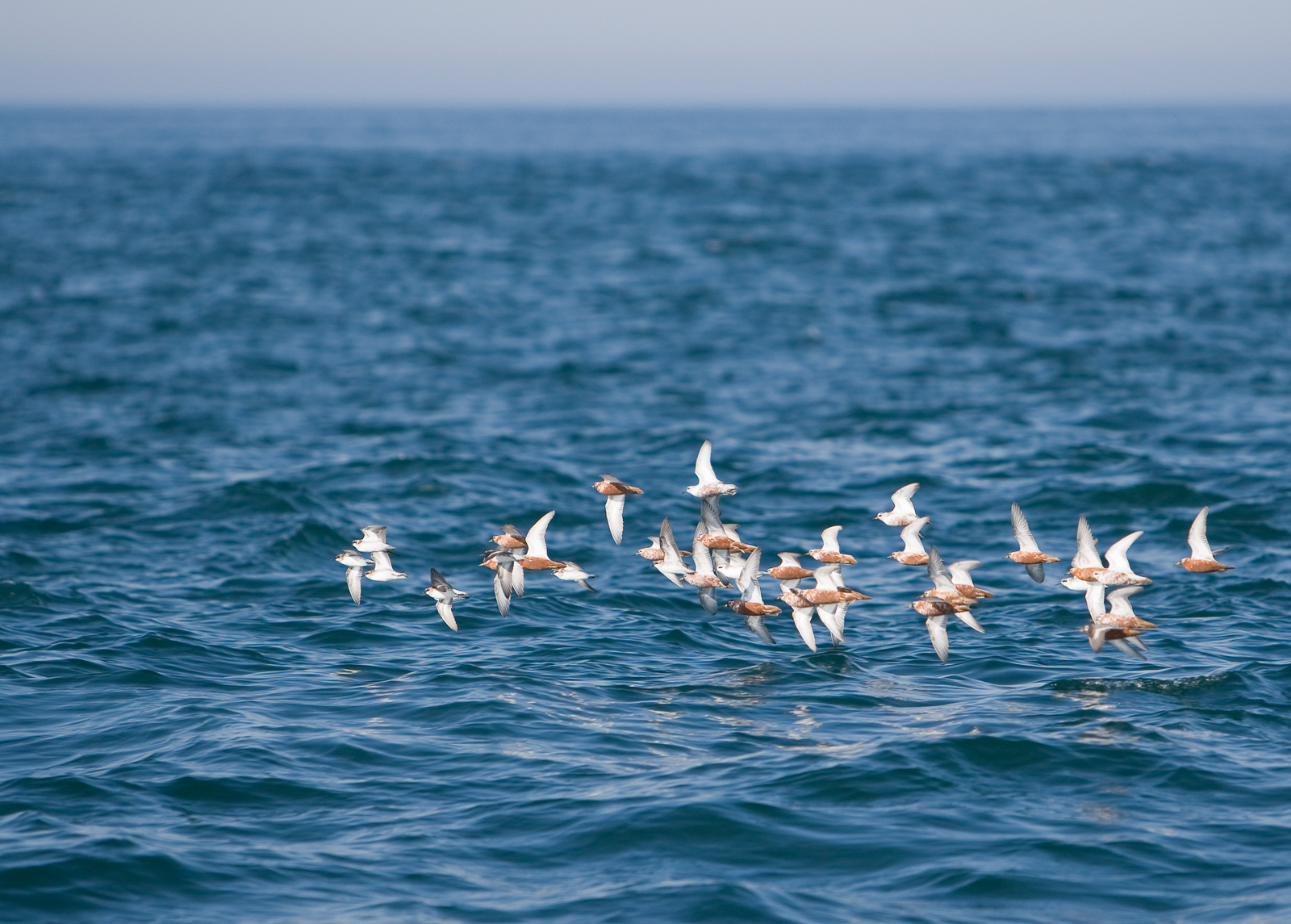
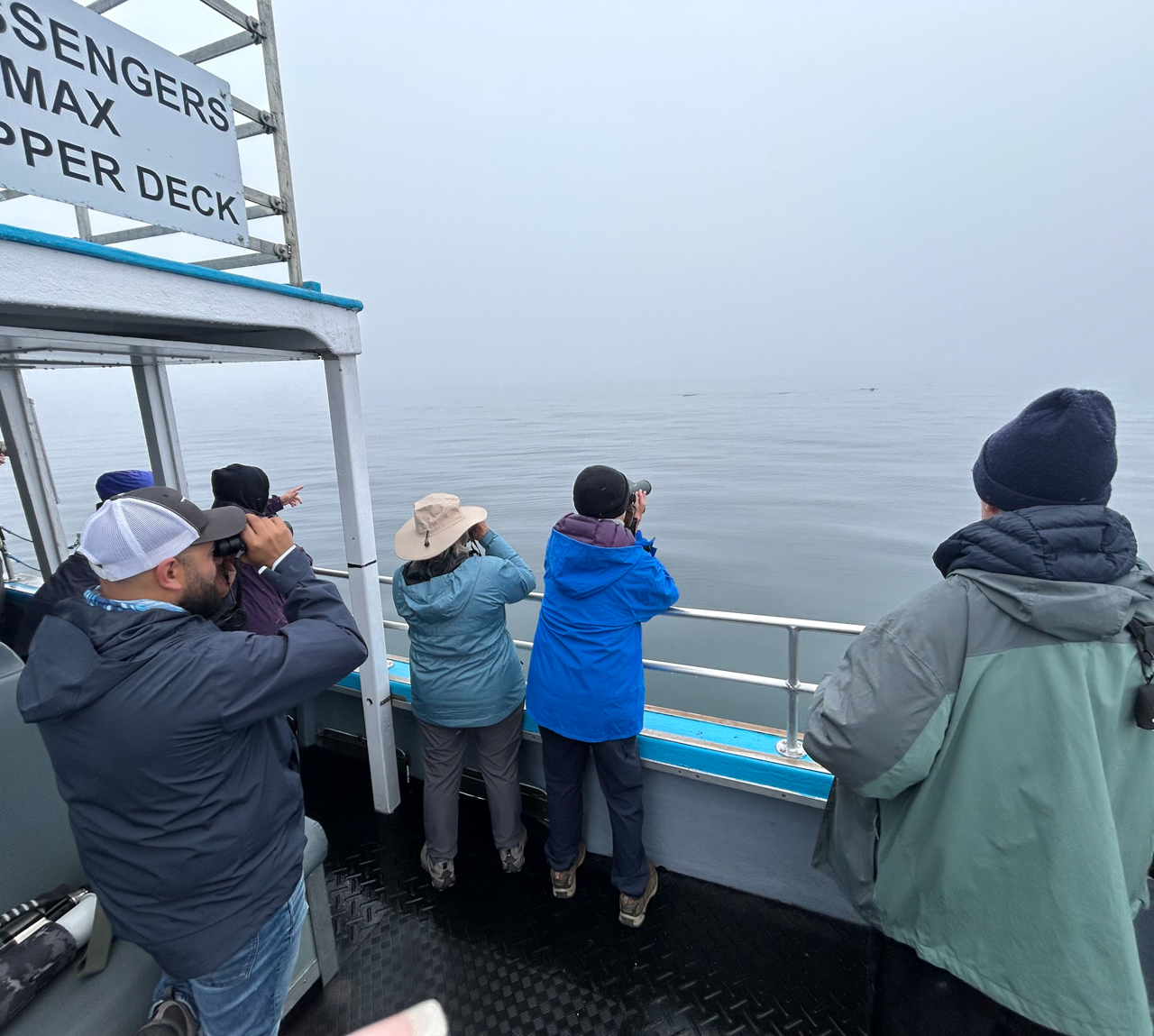
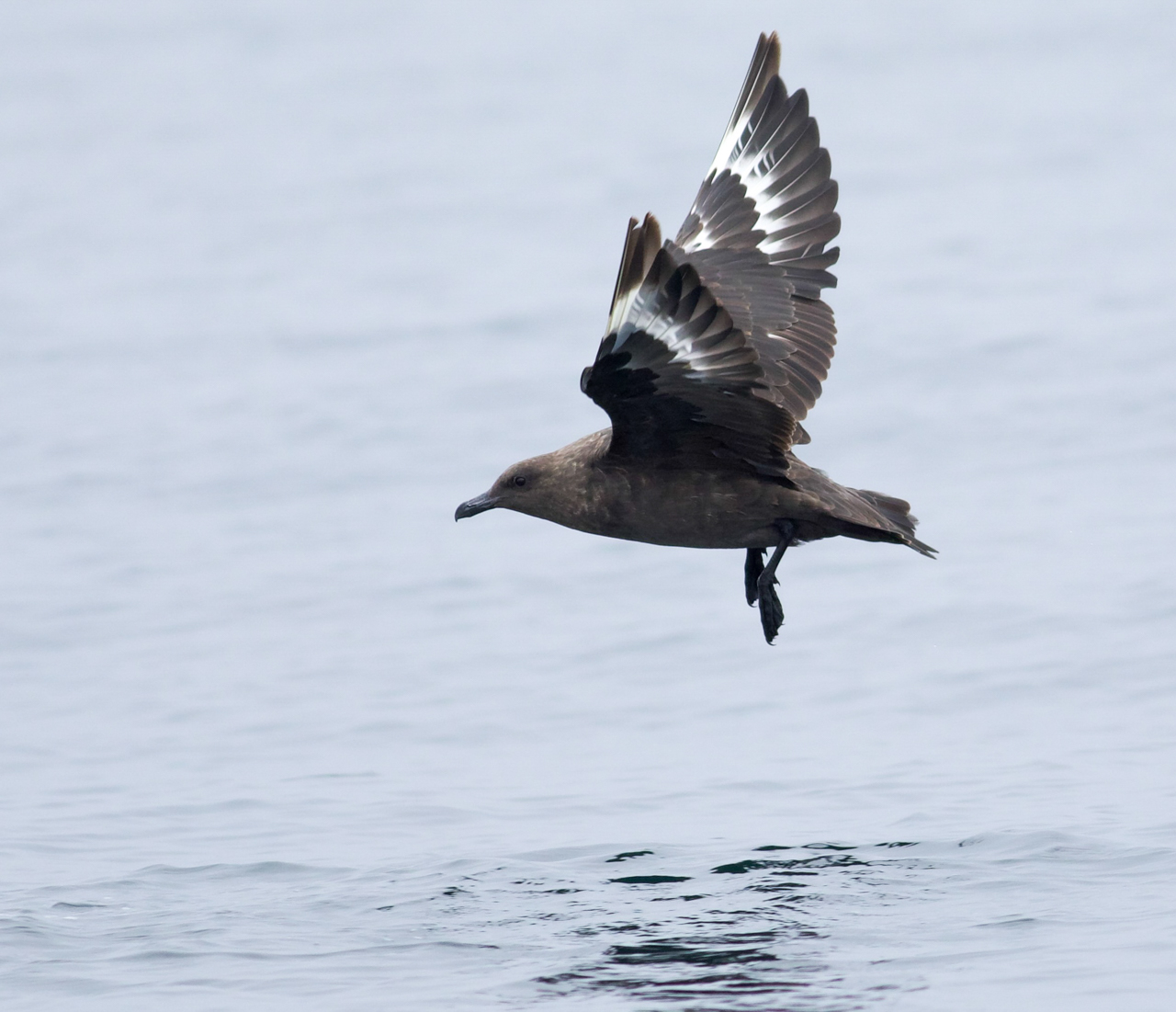
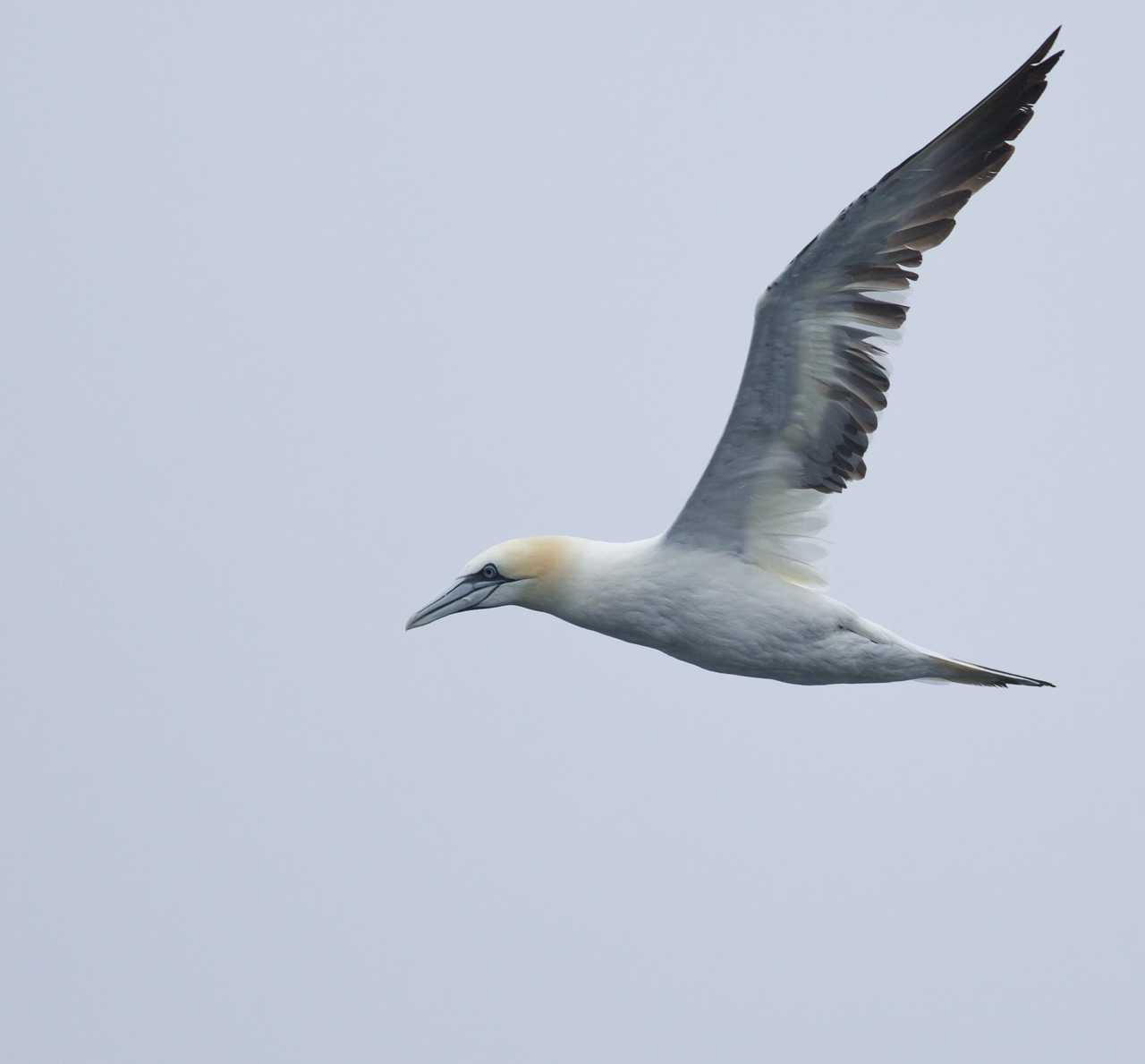
On one of these days, we board a whale-watching boat for a pelagic excursion into the Bay of Fundy. We look for Great and Sooty Shearwaters, Atlantic Puffins, Northern Gannets, and Red and Red-necked Phalaropes. Other possibilities include Manx Shearwater, Wilson’s and Leach’s Storm-Petrels, Black-legged Kittiwake, jaegers, South Polar Skua, Northern Fulmar, murres and Razorbill. Humpback Whales are another possibility. The timing of this excursion depends on suitable conditions.
On Day 6, we enjoy further island birding before returning to the mainland and continuing towards Yarmouth. Stops along the way may include Mavillette Beach and a coastal lighthouse viewpoint.
Nights on Brier Island on Days 4 and 5. Night in Yarmouth on Day 6.
Day 7: Cape Forchu and Cape Sable Island
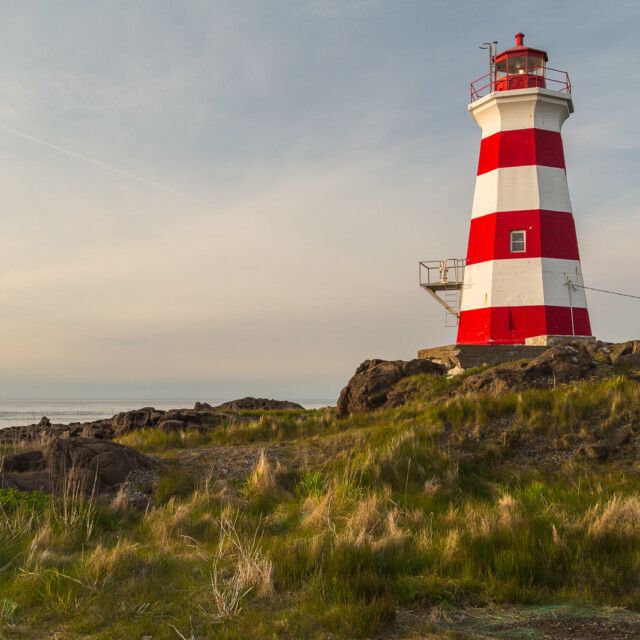
We begin the morning at Cape Forchu, south of Yarmouth. Its iconic lighthouse provides a setting for seawatching, while nearby wooded areas offer opportunities to look for migrating songbirds. Possibilities include Black-throated Green and Magnolia Warblers, with other migrants appearing as conditions change.
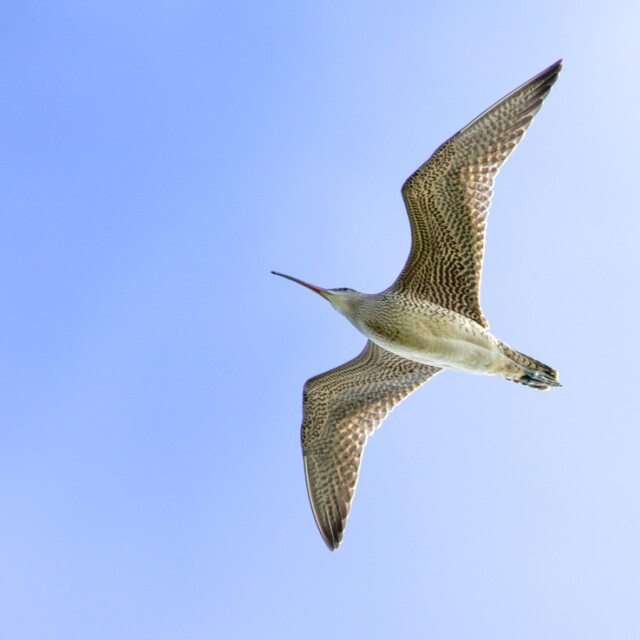
We then head towards Cape Sable Island, arranging our stops around the tides. Its beaches and tidal flats attract a variety of migrating shorebirds, and we look for Whimbrel, Black-bellied Plover and Short-billed Dowitcher, with the possibility of Hudsonian Godwit.
Wooded areas can also attract warblers, sparrows and other songbirds, and we keep an eye out for unexpected visitors before returning to Yarmouth.
Night in Yarmouth.
Day 8: South Shore Beaches and Lunenburg
Today we leave Yarmouth and work our way along Nova Scotia’s South Shore towards Lunenburg. We explore selected beaches, coastal viewpoints and wooded roads, choosing our stops according to tides, weather and bird activity.
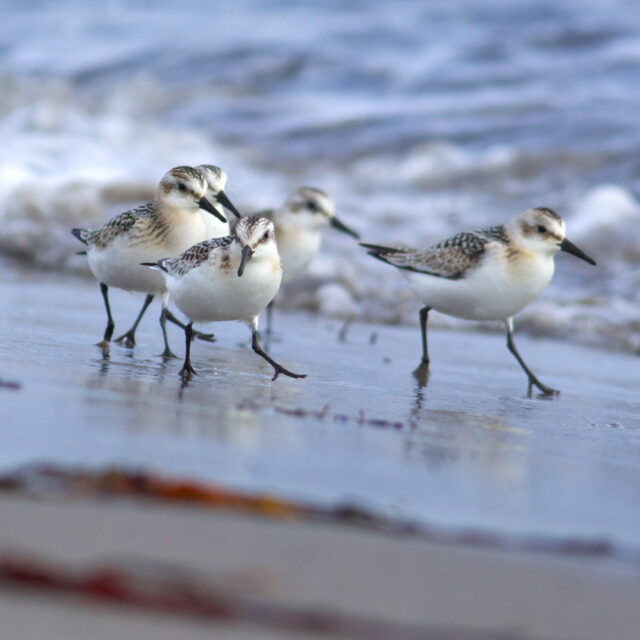
Sandy beaches offer further opportunities to watch shorebirds, including Sanderling, while Common Terns may gather along the shoreline. In the surrounding trees and shrubs, we look for Palm and Yellow-rumped Warblers and other migrating songbirds. Patches of coastal spruce may also hold Red Crossbills.
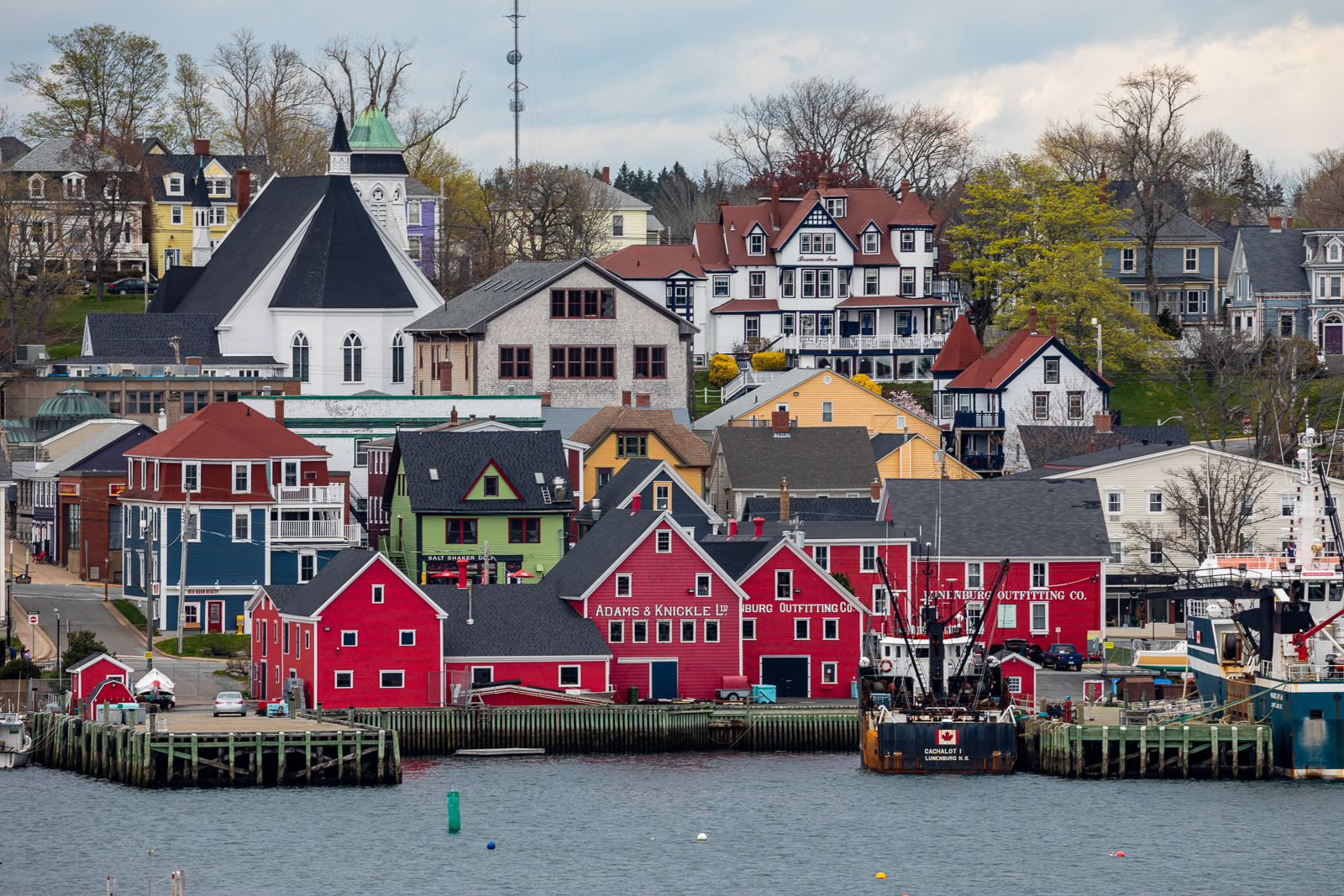
We take time to enjoy the coastal scenery before continuing to historic Lunenburg, with its colourful buildings and waterfront.
Night in Lunenburg.
Day 9: Lunenburg to Halifax
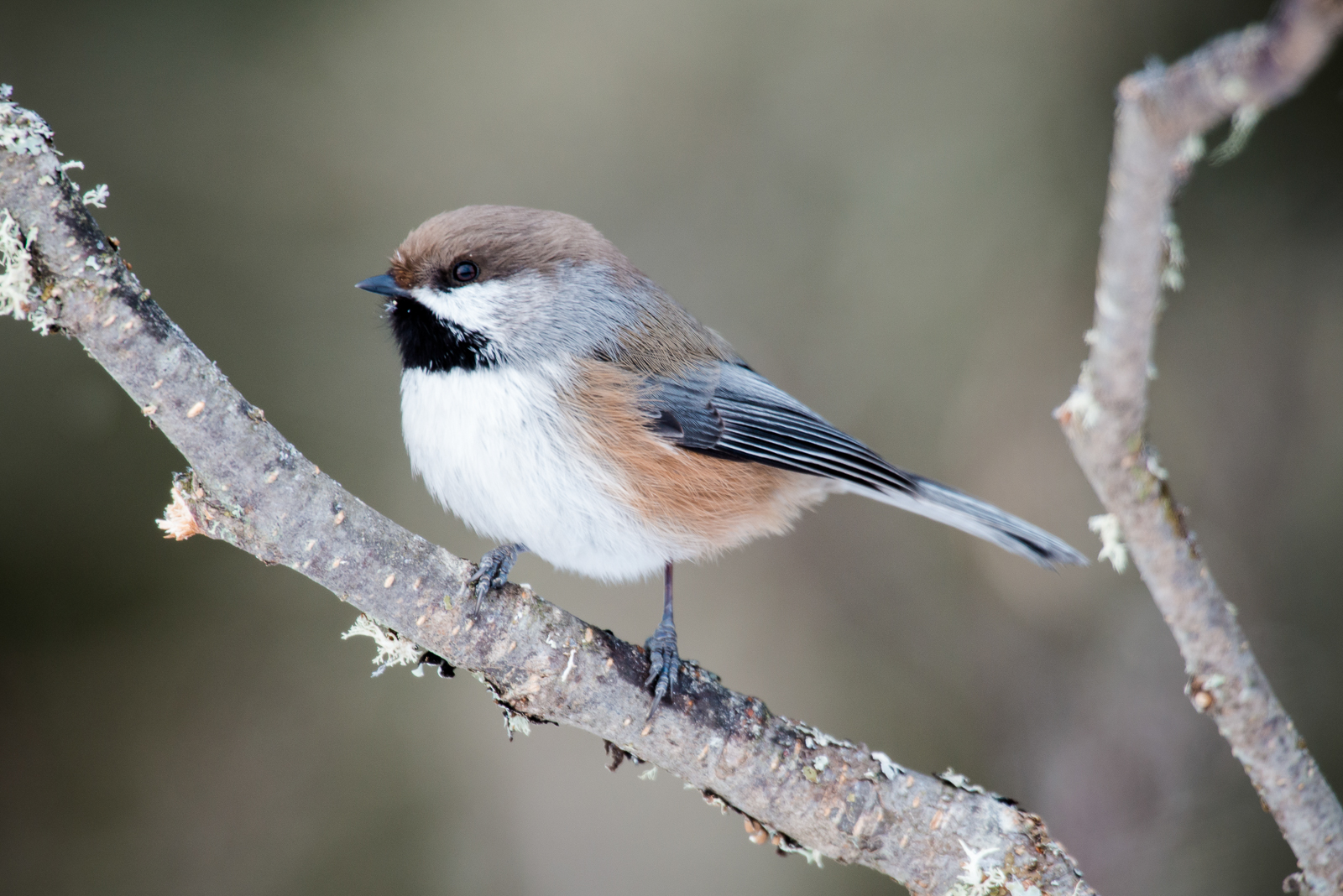
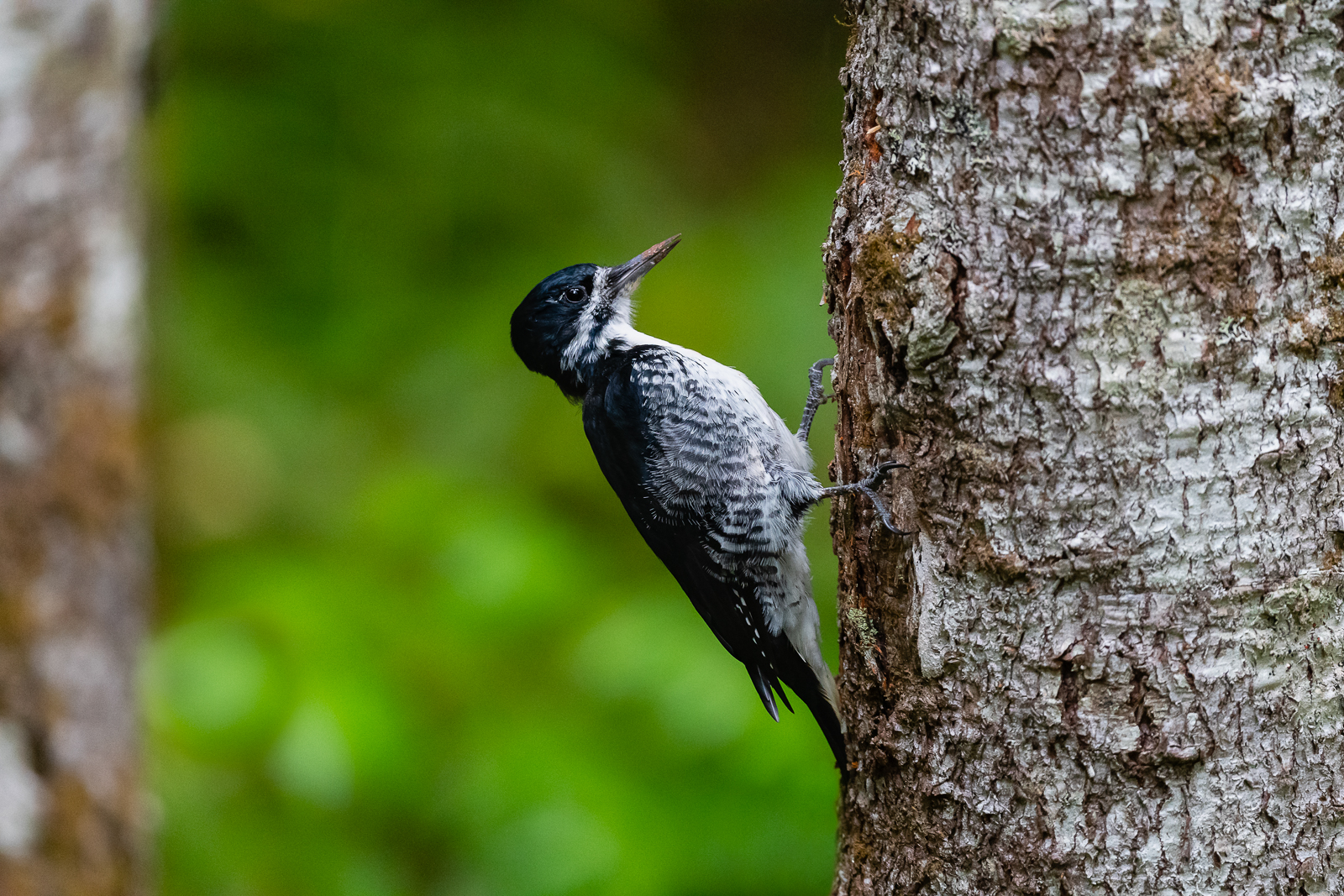
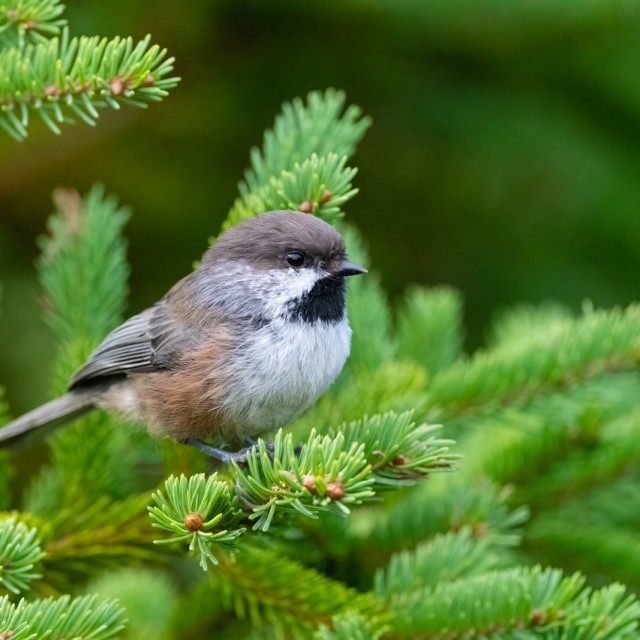
Today we make our way from Lunenburg towards Halifax, exploring forest and coastal habitats along the way. We look for boreal forest birds along quiet wooded roads, with possibilities including Canada Jay, White-winged Crossbill and Boreal Chickadee. Mixed forest flocks may also include Golden-crowned Kinglet, Brown Creeper and Red-breasted Nuthatch.
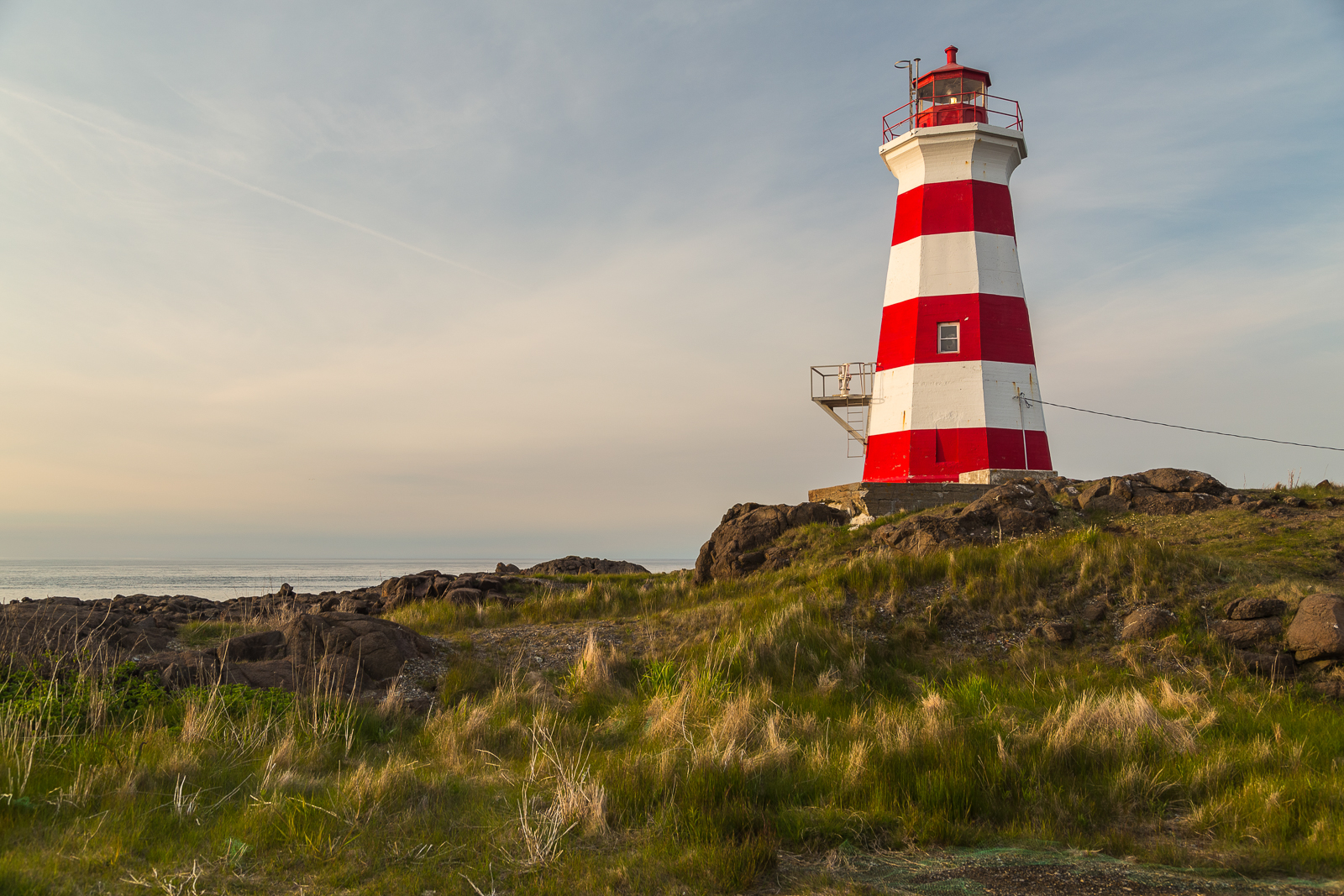
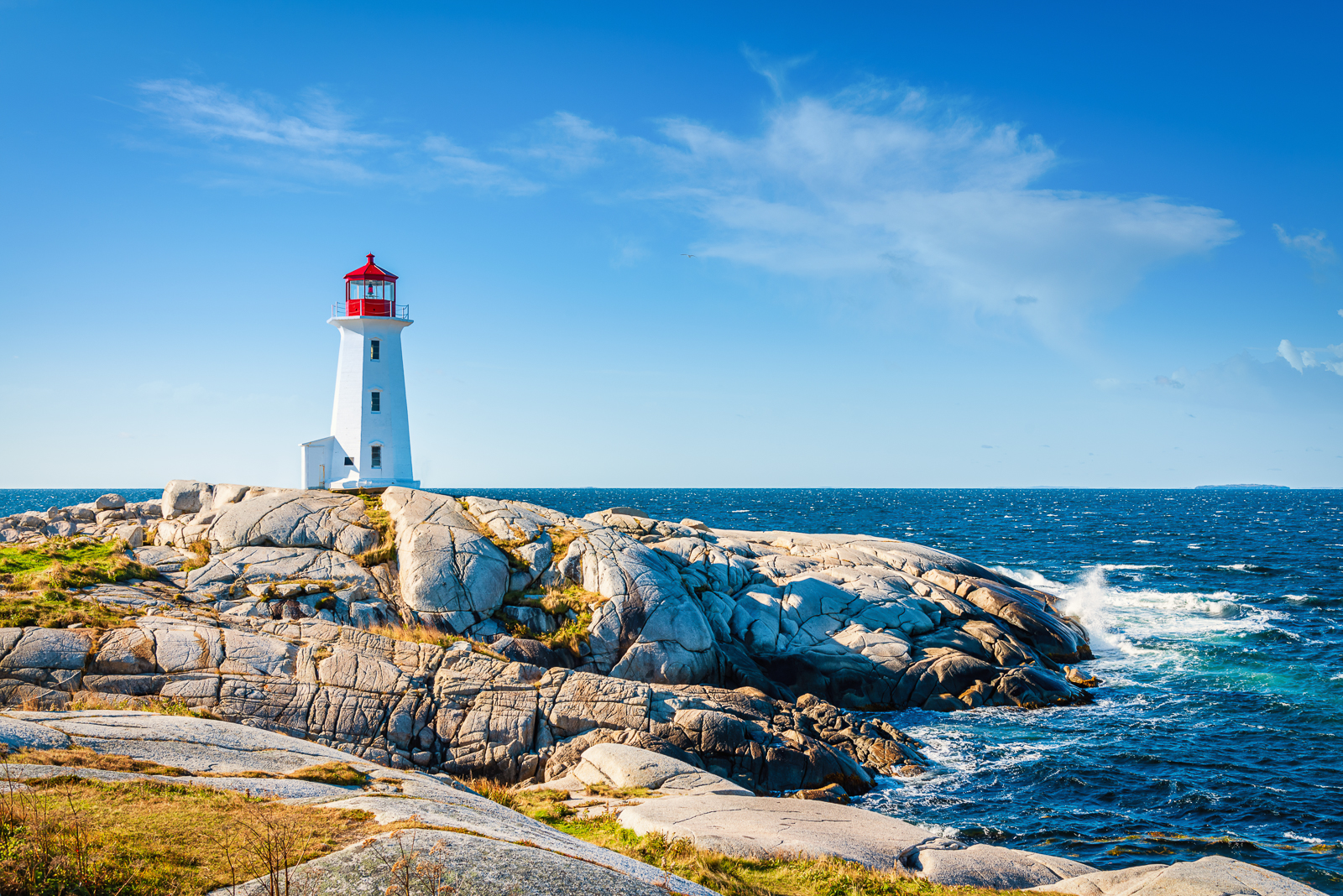
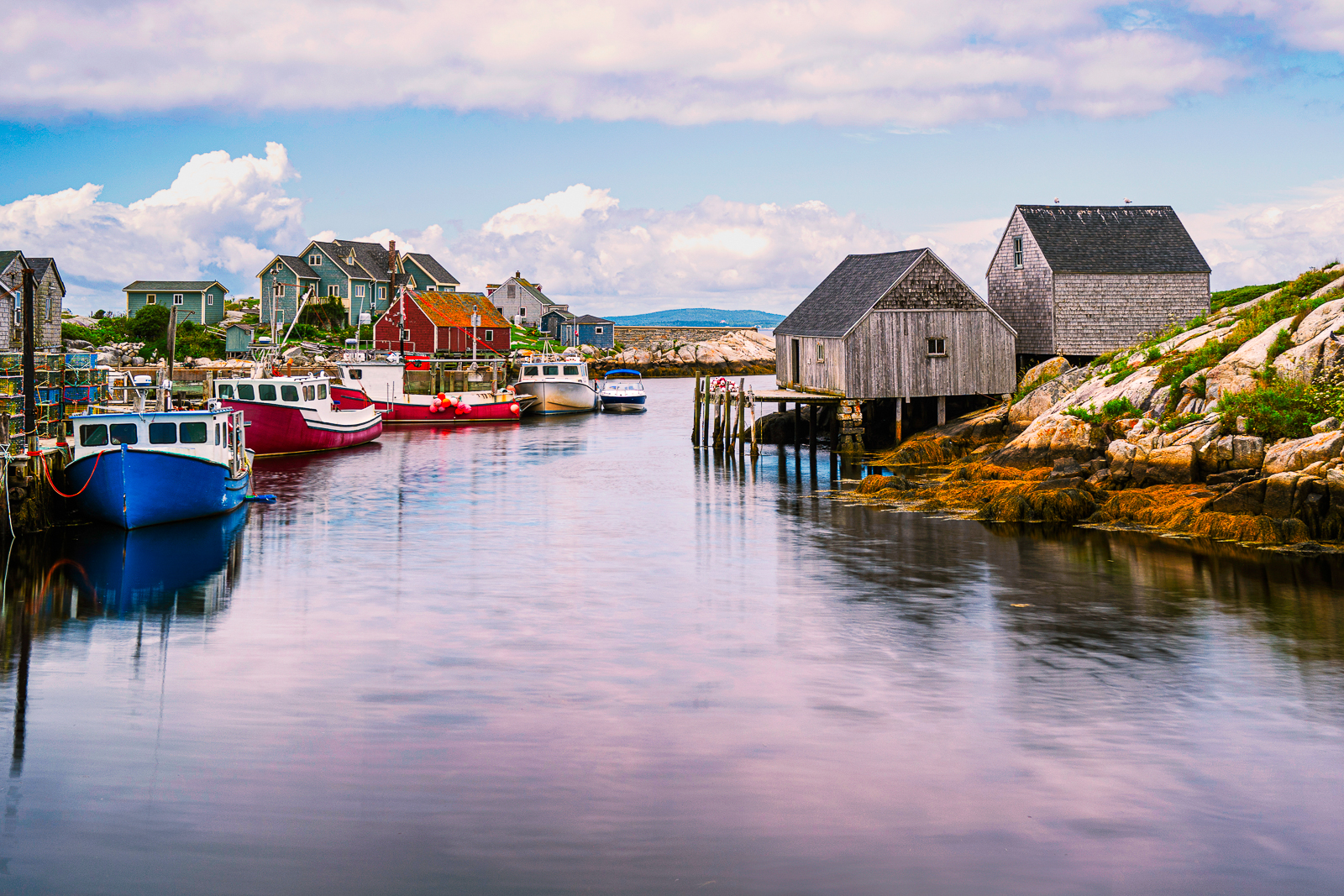
We also explore the rocky shores around Peggy’s Cove and its iconic lighthouse. Depending on time and conditions, further birding may include a wooded park or coastal stop near Halifax, with an opportunity to see some of the city before our farewell dinner.
Night near the Halifax airport.
Day 10: Departure
Our Nova Scotia birding tour ends today. You can depart for flights home at any time.
What to Expect
What to Expect
Overview
On this tour we take in Nova Scotia’s fall migration. Breakfast is generally around 7:30–8:00 a.m., followed by a full day of birding. On Brier Island, favourable winds may offer an opportunity for an earlier, pre-breakfast outing to watch migration. The order and selection of birding stops can vary with tides, weather and bird activity. We take afternoon breaks when the schedule allows. After dinner, we compile our bird and other wildlife lists and discuss plans for the following day.
Food
Breakfasts are generally at our accommodation, with occasional stops at local cafés or takeaway outlets. Lunches include picnics in the field and meals at local restaurants, depending on the day’s activities. In the evenings, we sample a range of restaurants, with opportunities to enjoy Nova Scotia’s seafood.
Accommodation
We stay in a mix of historic and characterful properties. Some do not have elevators, and ground-floor rooms may be limited, so participants should be able to climb stairs. Please let us know in advance if you require help with luggage.
Walking
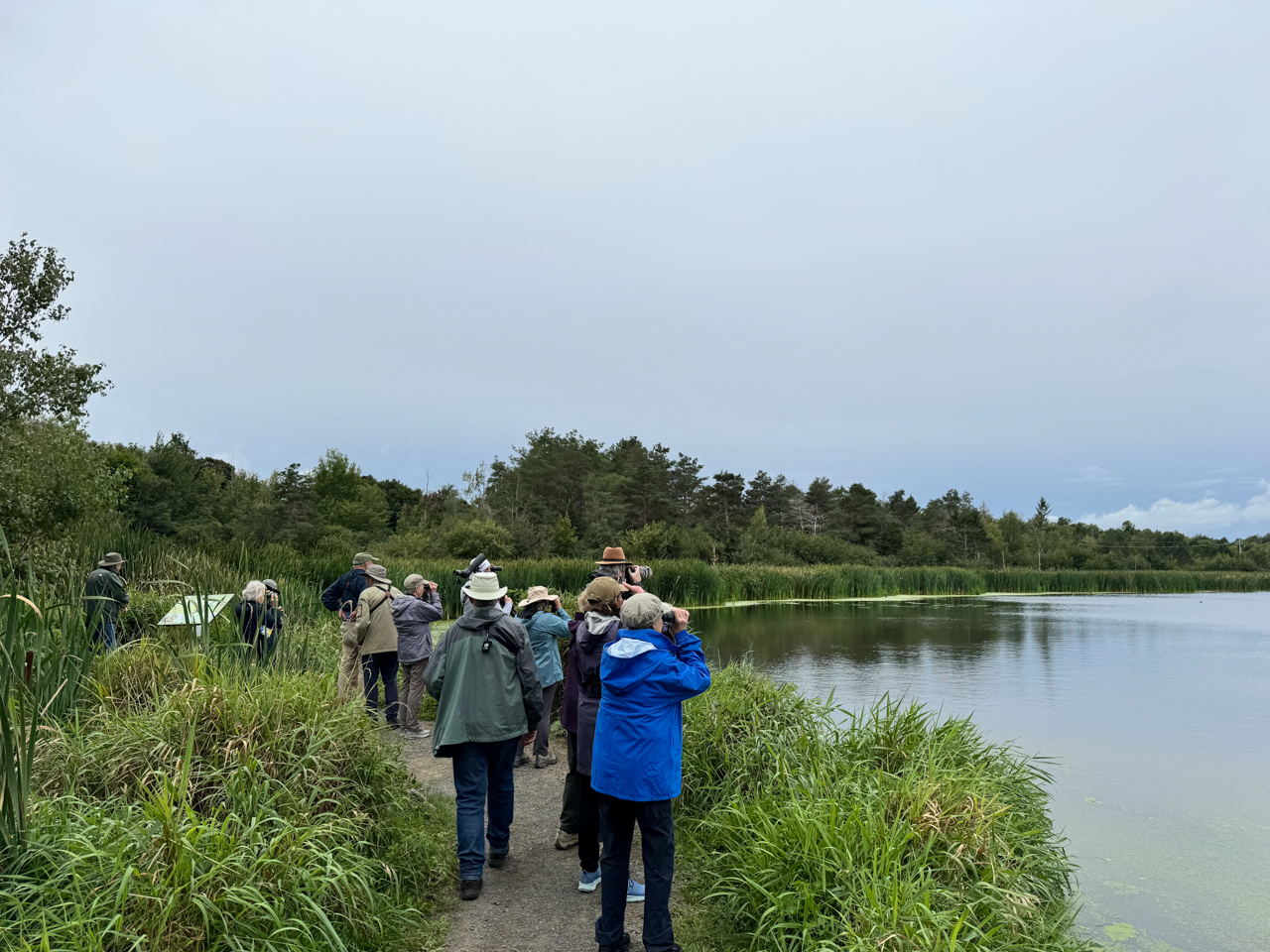
Walking is generally easy and at a slow birding pace, with frequent stops. We explore woodland trails, roadsides, beaches and coastal viewpoints. Some sections involve slopes, uneven or rocky ground, and walking on sand or pebbles. At Blomidon, birding may include walking uphill along the park road.
Driving
We combine shorter drives between birding sites with longer transfers between overnight locations. Transfer days can involve several hours of travel, broken up by birding stops, meals and other breaks. Reaching Brier Island involves two short ferry crossings, which we also take on our return to the mainland.
Climate
During late August and early September, average daytime highs across the region are approximately 18–24°C (64–75°F), with overnight lows around 10–14°C (50–57°F). Actual temperatures can fall outside these ranges.
Weather can be variable, with mild, sunny periods interspersed with rain, wind and fog. Bring layers and waterproof clothing for changing conditions, particularly on exposed coastal outings and the boat trip. Biting insects may still be present, especially around saltmarshes, so bring insect repellent.
Boat trips
We take a pelagic boat trip from Brier Island into the Bay of Fundy. “Pelagic” refers to the open sea: we travel offshore aboard a whale-watching boat looking for seabirds that can be difficult to observe from land. Possibilities include shearwaters, storm-petrels, puffins, phalaropes and jaegers, as well as Humpback Whales.
Expect to spend several hours aboard. Conditions can include wind, fog and choppy water, so participants should be comfortable with the movement of a boat on open water. Bring warm layers and a windproof, waterproof outer layer. We try to adjust the day of the excursion if the weather looks unfavourable.
Frequently Asked Questions
Land Tours FAQs
Whether you’re a seasoned birder or new enthusiast, these FAQs cover important details about our tours, including schedules, fitness requirements, group dynamics and more.
Featured Wildlife
Featured Wildlife
The species below are among the birds and mammals we may encounter on this tour. Sightings vary from year to year and cannot be guaranteed.
- Common Eider
- Red Phalarope
- Red-necked Phalarope
- White-rumped Sandpiper
- Atlantic Puffin
- Black Guillemot
- Black-legged Kittiwake
- Great Shearwater
- Sooty Shearwater
- Northern Gannet
- Nelson’s Sparrow
- Humpback Whale
Trip Reports & Inspiration
Past Tour Checklists
Past Tour Checklists
View the list of birds and other wildlife we encountered on our past tours.
Compare your life list to our last tour
Get an estimate of how many new species you may see.
Try our Lifer tool